
Summer Car Washing Mistakes That Can Damage Your Paintwork

With hosepipe bans back in the news and hotter weather across the South East, many drivers are thinking about how to keep their cars clean without wasting water or damaging the paint.
ITV News has covered the rules around hosepipe bans, while the RAC has reminded drivers that how to keep your car clean during hosepipe ban.
The water-use side of the story matters, but there is another issue we see every summer as mobile valeters: a rushed wash in hot weather can leave real marks behind.
At The Valeters, we regularly see London cars with water spots baked onto glass, chalky marks on black trim, swirl marks from sponge washing and chemical staining around headlights, grilles and badges. Most owners are not trying to damage their cars. They are usually just washing them at the wrong time, with hard tap water, hot panels or the wrong products.
Here is what drivers should watch out for this summer.
Do Not Wash a Hot Car in Direct Sunlight
The simplest advice is still the most important: avoid washing your car in direct sunlight.
When a car has been sitting in the sun, the bonnet, roof, windows and upper panels can become much hotter than the air around them. If shampoo, water or cleaning products are applied to those hot surfaces, they can start drying before they have had time to work properly.
That is when you start seeing dried shampoo marks, water spotting, chemical residue and dull patches. On dark paint, the marks are even more obvious when the sun catches the car.
The worst time to wash a car is usually the time most people feel like doing it: a bright, hot afternoon. The car looks dusty, the weather is nice and the hose or bucket comes out. But by the time one side is washed, the other side may already be drying.
If you are washing your own car, do it early in the morning or later in the evening. If the panels feel hot to touch, leave it.
London Hard Water Makes Water Marks Worse
London tap water is hard, which means it contains dissolved minerals. When ordinary tap water dries on paint, glass or trim, those minerals can be left behind as visible water spots.

We see this all the time. In warm weather, tap water dries quickly and leaves spotting across the surface. No matter how fast you try to be, if your under direct sunlight, on a hot day, avoiding water marks is impossible.
That is why every The Valeters van carries pure water to each job.
Pure water contains far fewer dissolved minerals than ordinary tap water, so it massively reduces the risk of mineral spotting during the rinse and drying process. It is especially useful in London, where hard water is such a common issue.
Pure water is not magic, though. It does not make bad technique safe. Hot panels, dried shampoo, poor contact washing and harsh chemicals can still cause damage. The process still matters.
Be Careful With Cheap Hand Car Washes in Summer
When hosepipe bans are in the news, many drivers naturally think about using a local hand car wash instead. Some are careful and well-run. Plenty are not.

The issue in summer is that many busy, low-cost car washes rely on strong traffic film removers, wheel cleaners and heavy-duty chemicals to speed up the job. Used properly on cool panels, these products can do their work and be rinsed away. Used badly on a hot day, they can cause staining.
If strong acidic or alkaline cleaners are sprayed onto warm paint, black trim, badges, grilles or plastic and then left to dry, they can mark the surface. This often shows up as white streaks, which sadly don't come off with a normal wash.
A cheap wash can make a car look clean from a distance. The problem is what it leaves behind when the sun hits the details.
Bird Droppings and Tree Sap Need Quick Action
Bird droppings and tree sap are always bad news for paintwork, but summer makes the problem worse.
Bird lime is acidic, and tree sap can harden quickly when it bakes onto warm panels. The longer either one sits on the car, the greater the risk of staining or etching into the clear coat.
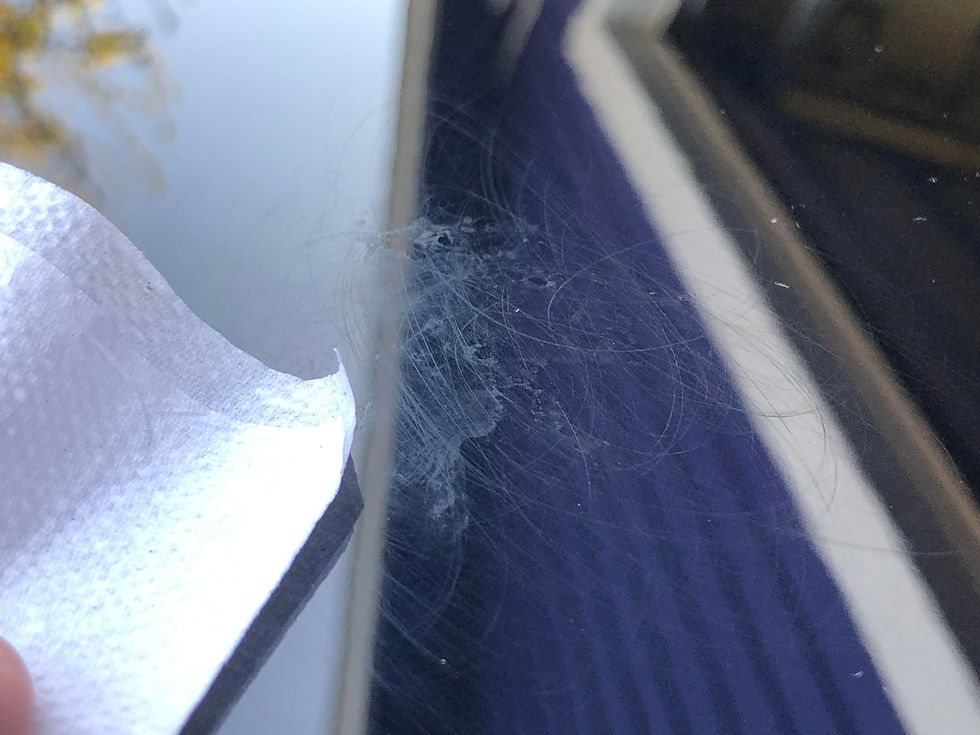
We have all done it: a bird leaves a mark on the car, you grab a tissue or cloth, and you try to wipe it off quickly. It feels like the right thing to do, but if the mess has already started to dry, rubbing it can scratch the paint and leave a visible mark behind.
The safer approach is to soften the contamination first with a suitable product, then remove it gently without scraping or heavy pressure. If you notice bird droppings or tree sap on the car during hot weather, deal with it as soon as you reasonably can. Leaving it to bake in the sun for days is where the real damage starts.
The Safe Summer Wash Checklist
If you are cleaning your own car this summer, keep it simple:
Wash early morning or later in the evening
Avoid direct sunlight
Do not wash hot panels
Rinse loose dirt before touching the paint
Avoid traditional yellow sponges
Use a proper microfibre wash mitt
Keep wheel tools separate from paintwork tools
Do not let shampoo or chemicals dry on the surface
Dry the car properly with clean microfibre towels
The worst combination is one bucket, one sponge, strong sun and water left to dry by itself.
A word from our founder, Mahmoud Itani: “We regularly see cars with heavy water spotting and chemical staining after poor summer washes, especially around glass, black trim, headlights, grilles and badges. Pure water helps reduce mineral spotting, but the real protection comes from washing at the right time, on cool panels, with the right products and proper drying.”
Wrapping things up
We all like driving a clean, shiny car, especially in summer. But as we have covered, washing in direct sun, using hard tap water, wiping dried bird droppings or relying on a rushed car wash can all leave marks behind if the process is not right.
Sometimes it is easier, safer and more cost-effective to get a professional in and have it done properly the first time.
Book a professional summer valet with The Valeters and we will clean your car safely using pure water, proper products and paint-safe washing methods.
Related posts:


Comments